Mozart journal

How to get out of the 8-bar loop (without adding more tracks)

A practical way to turn one promising loop into an arrangement with movement, contrast, and a reason to keep listening.

August 15, 20266 min read

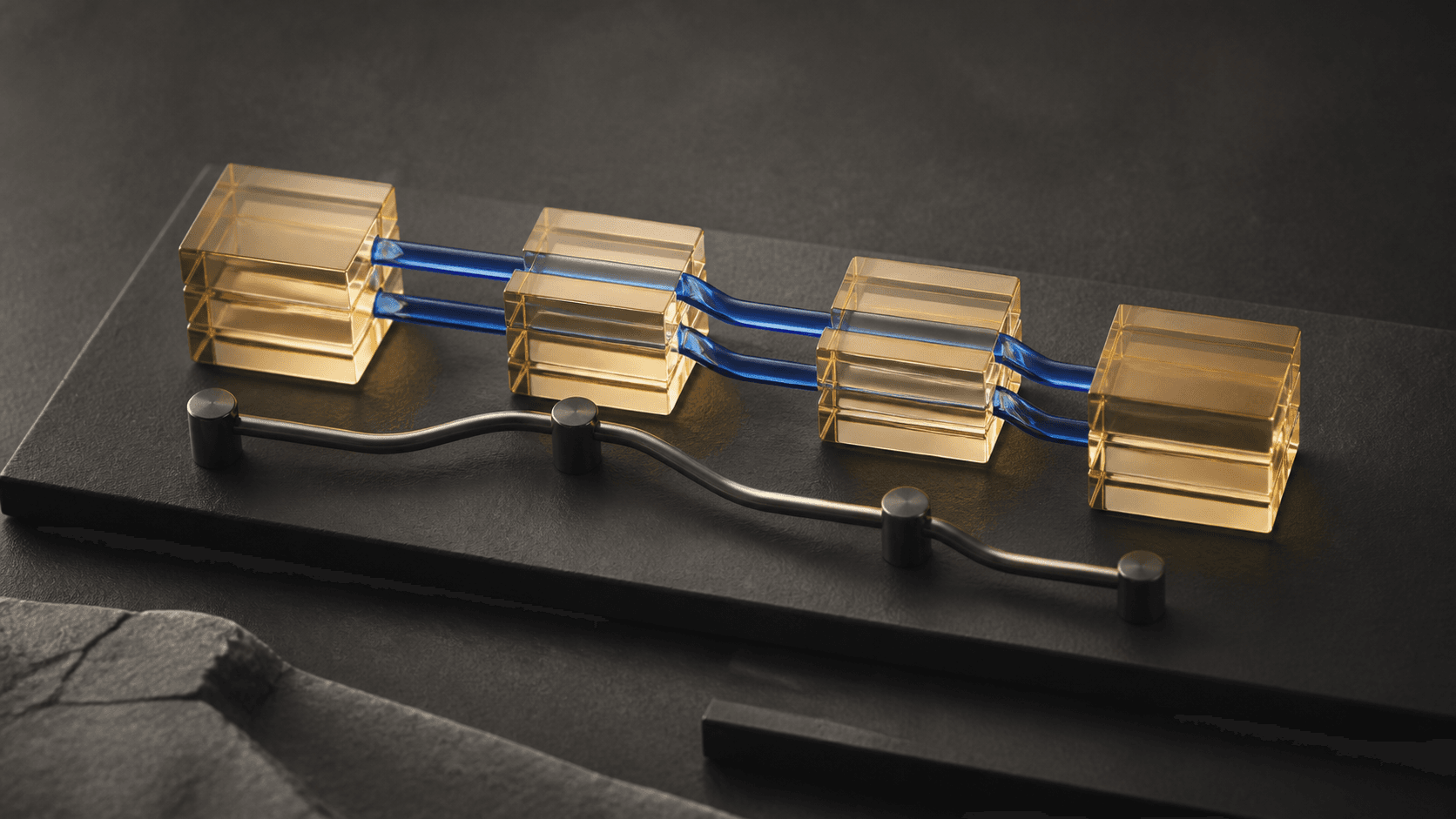
A brushed-metal eight-step sequencer opening into a flowing field of warm illuminated note blocks on a dark background.

If an eight-bar loop still feels good after an hour, it has already done something valuable: it found the centre of the track. The way forward is not usually another synth, another drum fill, or a heroic new chord. It is a decision about what this idea is for.

Why good loops stall

A loop is brilliant at making a promise. In a few bars, it can establish tempo, colour, a bass relationship, and a mood. But it is designed to restart. When we keep polishing that restart, we can mistake refinement for forward motion.

The uncomfortable truth is that a loop can be complete as a loop and still have no second thought. More layers often make that harder to notice. They give the ear more detail while preserving the same answer to every musical question.

Give the loop a job

Before opening another instrument, name the job of the section you have. Is it an invitation? A groove the listener should settle into? A release after a denser passage? A refrain? The same eight bars can do any of these things, but not all at once.

Once the job is clear, the next section becomes easier to imagine. An invitation wants an arrival. A dense groove might want air. A refrain might want a verse that leaves something unsaid. This is arrangement at its most useful: not decoration, but consequence.

Make a small map

You do not need a twenty-section timeline to leave a loop behind. Make three blocks: the section you have, one section that contrasts with it, and a return. Then decide what changes at each doorway.

  1. Establish. Let the original loop state the track’s central relationship: perhaps bass and drums, or chords and voice.
  2. Withhold or widen. Remove an anchor, open the register, simplify the rhythm, or let harmony take a different route.
  3. Return with evidence. Bring back the first idea after the contrast. Keep one small change so it sounds remembered rather than copied and pasted.

This map is intentionally modest. It creates a listening question—what happened, and what will return?—without asking you to solve the whole song before lunch.

Change one relationship at a time

Contrast is clearest when you can name it. Change the kick pattern while the bass remains loyal. Keep the drums but move the chords. Let the same melody pass over a thinner harmony. Pull the low end away for four bars and make the return feel physical.

If everything changes, the listener loses the thread. If nothing changes, the section has no edge. One deliberate changed relationship is enough to make a new place while preserving a sense of one song.

Arrange with subtraction

Arrangement is often a sequence of permissions: when the pad gets to appear, when the bass gets to rest, when a fill gets to mean something. That makes removal a compositional act, not a compromise. Try taking away the part that explains the loop most clearly. The remaining parts will tell you what they need next.

Instead of committing every thought to a long timeline, try a few versions of the same relationship side by side: drums without bass, the same chords with a different rhythmic role, a leaner return. Play the alternatives; keep the one that asks the better question.

Finish a version, not a perfect loop

Give yourself a finish line that is smaller than “finish the song.” Print a two-minute version. Play it while walking. Listen once without opening the project. You will hear whether the middle needs an event, whether the return arrives too soon, and whether the first loop is doing too much work.

Then save that version and make the next decision. A song is not the moment a loop becomes flawless. It is the moment the loop becomes part of a larger story.

For a different kind of compositional constraint, read about working with musical tradition without reducing it to a style.

Share

Frequently asked questions

Why do I keep getting stuck in an 8-bar loop?
A loop can establish a mood quickly, but it does not decide what changes next. Give it a role, a destination, and one contrasting section before adding more sounds.
How many sections does a song need?
There is no fixed number. Start with two contrasting sections and a return: one establishes the idea, one changes its energy or function, and the return makes the first section feel intentional.
Should I add more instruments to make a loop into a song?
Not first. Arrangement becomes clearer when existing parts enter, leave, thin out, or change function. Add a new part only when it has a specific job to do.