Mozart journal
Музыке нужно больше, чем просто стиль
Лучший способ опираться на музыкальные традиции: начать с контекста, выучить грамматику и освободить место для людей, стоящих за звуком.
15 августа 2026 г.7 минут чтения
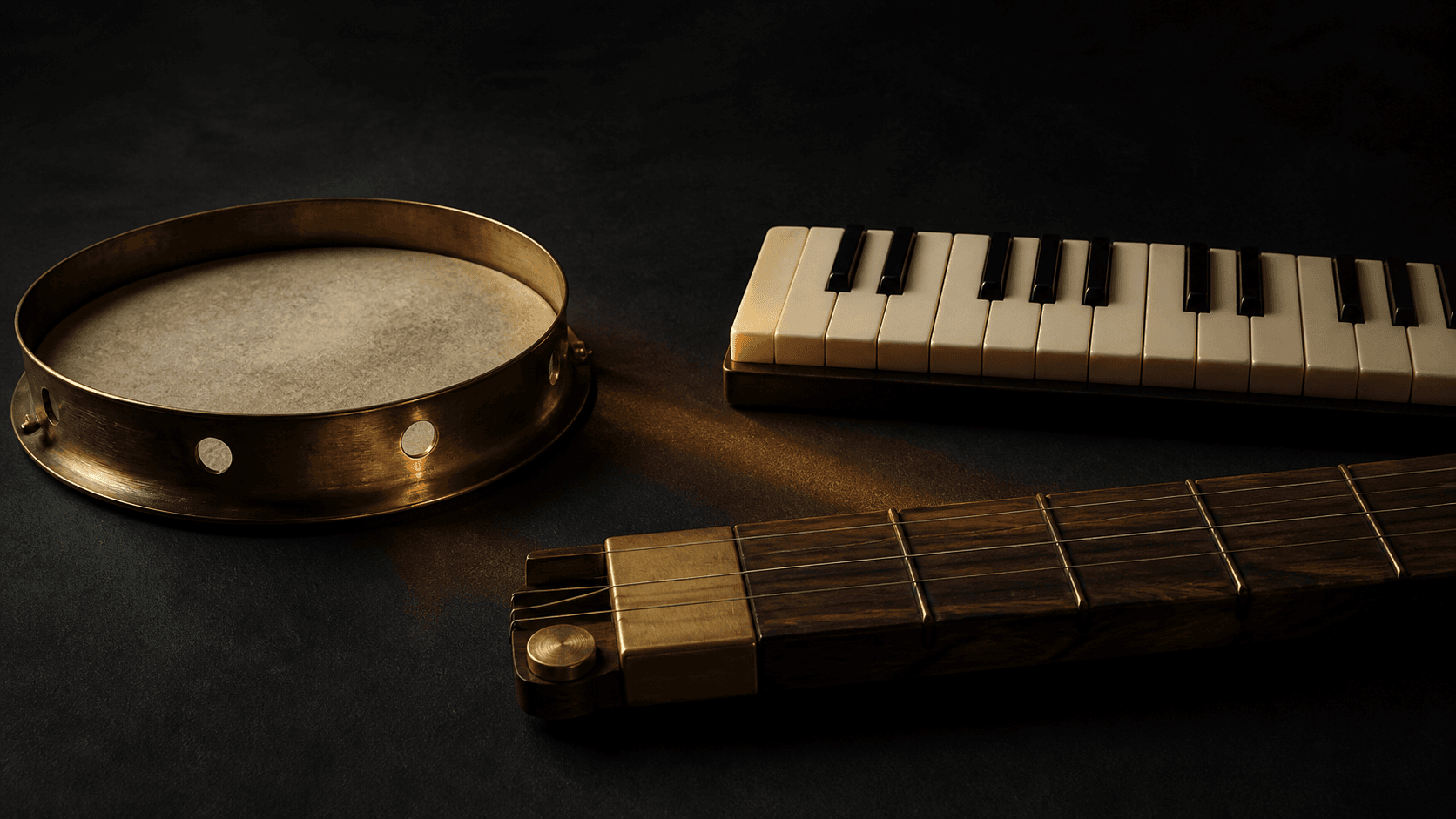
«Придайте ему ощущение Египта». «Сделайте его более бразильским». «Добавьте немного арабской гаммы». Эти фразы являются общепринятым студийным сокращением и одновременно являются предупреждением. Музыкальная традиция – это не цветовая гамма для неизменного в остальном трека. Это живой набор отношений, поддерживаемых людьми.
Начните с конкретной практики, а не с широкого стиля. Спросите, какой ритм, мелодическое движение, форма, роль инструмента или запись вас на самом деле привлекают. Узнайте достаточно, чтобы честно назвать его, а затем позвольте треку показать его источники, а не скрывать их.
Почему слово «стиль» слишком маленькое
Стиль — полезное слово, когда мы обсуждаем поверхность пластинки: ее темп, тембр, плотность или опорные точки. Оно становится бесполезным, когда сжимает весь музыкальный мир в несколько звуковых сигналов. Гамма без фразировки, ритм без своей роли в ансамбле или инструмент без музыкантов, сформировавших его словарный запас, могут очень быстро стать костюмом.
Альтернатива – не избегать влияния. Музыка всегда проходила через обмен, миграцию, учебу и сотрудничество. Альтернатива состоит в том, чтобы быть более точным в отношении того, что движется. Точность улучшает работу. Это также освобождает место для кредита, любопытства и возможности быть исправленным.
Задайте меньший, лучший вопрос
Начните с одного конкретного вопроса. Не «Как мне сделать ближневосточный бит?» но «Что организует этот конкретный икаа и где находится его вес?» Не «джазовые аккорды», а «Какова гармоническая функция этого II–V–I в фразе, которую я пишу?» Меньший вопрос дает вам то, что вы можете услышать, проверить и изучить.
Это также не позволяет одному решению выдать себя за целую традицию. Вы можете использовать ритмическую практику при написании нового мелодического языка. Это может быть правильным творческим выбором, особенно если вы сами скажете, что это такое. Работа становится сплавом, разговором или личным произведением, а не претендует на подлинность, которой она не заслужила.
Послушайте, прежде чем строить
Начните с записей и музыкантов, а не с тегов сэмпл-паков. Выберите несколько спектаклей, на которые вы сможете вернуться. Обратите внимание, что повторяется, а что нет. Чем дышит фраза? Какой голос держит пульс? Что имеет право опережать бит? Что меняется, когда музыка достигает каденции?
Затем найдите контекст: авторы, аннотации, интервью, учения практиков и тексты, в которых четко обозначено место и сообщество. Это не домашнее задание, которое ставится выше творчества. Именно так ваши уши получают возможности, которые не может предложить стандартная предустановка «мир».
Сохраните исходную запись в проекте. Сюда принадлежат записи, музыканты, книги, учителя и конкретные практики. Это облегчает будущие кредиты и дает вам возможность вернуться назад, когда музыкальный выбор требует дополнительного изучения.
Держите свои источники видимыми
У файла проекта есть своя собственная тихая этика. Если обозначить часть только как «этническая перкуссия», становится труднее запомнить, что вы имели в виду, кто на нее повлиял и что следует проверить. Более полезная метка сообщает, что делает деталь и откуда взялась ссылка. Прежде всего, это хорошая производственная гигиена.
Видимые источники также помогают сотрудникам. Они могут услышать ваше намерение, указать на несоответствие или глубже изучить материал. Целью не является проверка чистоты. Это процесс, который оставляет место для чьего-либо опыта для улучшения результатов.
Fusion нужны имена
Большая часть современного производства уже является гибридной. Полезное различие проводится между работой, в которой признаются ее составляющие, и работой, которая сводит их в неясное утверждение. Если мелодия, ритм и гармония исходят из разных источников, так и скажите. Если вы используете эскиз, так и скажите. Если вы работали с практикующим специалистом, считайте его соавтором, а не последней печатью одобрения.
Название не делает трек менее творческим. Это дает воображению более четкие рамки. Вы можете быть авантюристом, не притворяясь, что каждое музыкальное решение в равной степени принадлежит вам.
Инструменты играют роль, а не последнее слово
Программное обеспечение может оказаться полезным, если оно не стирает важные различия. Он может отделить мелодический источник от ритмического, сохранить происхождение решения или сообщить вам, когда способность не готова заявить о себе. Чего он не может сделать, так это превратить несколько параметров в культурный авторитет.
Эта граница определяет Моцарта, инструмент композиции, который мы создаем для Интернета и macOS. Он предназначен для того, чтобы сделать музыкальный выбор контролируемым и воспроизводимым, а также обозначить продуманные комбинации как слияние. Если практика не осуществима или недостаточно проверена, правильный ответ — это не убедительная имитация. Это значит оставить выбор недоступным.
Забота не умаляет творчества. Это делает прослушивание более глубоким, суть более ясной, а полученная музыка с большей вероятностью будет отражать реальную точку зрения. Если вы работаете с циклом, прежде чем выбирать его ссылки, начните с простого способа превратить восемь тактов в аранжировку.
Частые вопросы
- Разве неправильно находиться под влиянием чужой музыкальной традиции?
- Влияние – это часть музыки. Ответственный вопрос заключается в том, как вы к этому подходите: учитесь у практиков и источников, точно называйте то, что вы используете, и не представляйте поверхностное впечатление как целостную традицию.
- Чему мне следует научиться, прежде чем использовать музыкальную традицию в треке?
- Начните с одной конкретной формы или практики: ее пульса, формы фразы, тонального поведения, ролей инструментов, а также записей и музыкантов, которые ее несут. Конкретный вопрос более полезен, чем широкий стиль ярлыка.
- Может ли программное обеспечение сделать трек культурно аутентичным?
- Нет. Программное обеспечение может облегчить проверку и сохранение музыкальных взаимоотношений, но оно не может заменить прослушивание, изучение, сотрудничество или суждения исполнителей.